The Dragon’s Guide to Backyard Chickens
By Jenni Sekine Updated
In this guide
- Why would someone want to raise backyard chickens?
- Benefits of Keeping Backyard Chickens
- Getting Started with Backyard Chickens
- How can raising chickens be helpful in a permaculture-centered farm system?
- Caring for Backyard Chickens
- Integrating Chickens into Your Lifestyle
- Troubleshooting and Common Challenges
- Conclusion
- Oklahoma City Council Approves Urban Chickens And Quail
Why would someone want to raise backyard chickens?
Keeping backyard chickens and egg-laying chickens has surged in popularity recently, driven by a growing interest in sustainable living, self-sufficiency, and reconnecting with our food sources. Beyond the charm of hearing cheerful clucks in the morning and watching fluffy butt chickens strut around your yard, there are numerous benefits to raising chickens in your backyard.
Backyard chickens offer many advantages, from the practical benefits of fresh, nutritious eggs daily and natural pest control to the joy of observing these feathered friends.
This guide is your key to starting and maintaining a thriving flock, transforming your backyard into a lively and productive urban farm. Want to learn more about how to raise backyard chickens? Read my blog on raising chickens here.
I have owned chickens since 2020, and it has been quite an adventure to figure out what systems work best for our family when caring for chickens.
This is part of why I wanted to share everything I have learned with you in this helpful guide so that your journey may be easier when raising and keeping chickens.
Benefits of Keeping Backyard Chickens
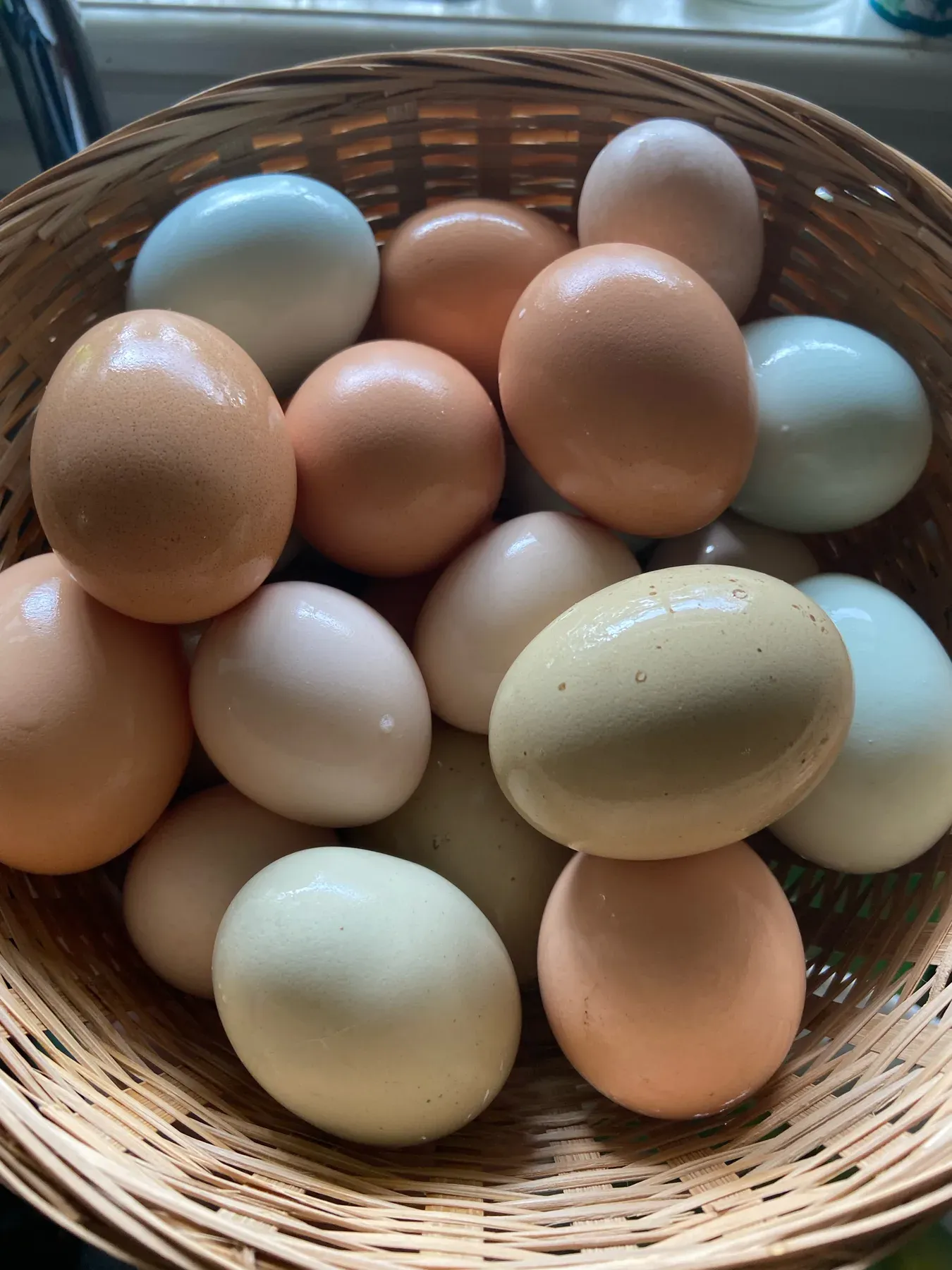
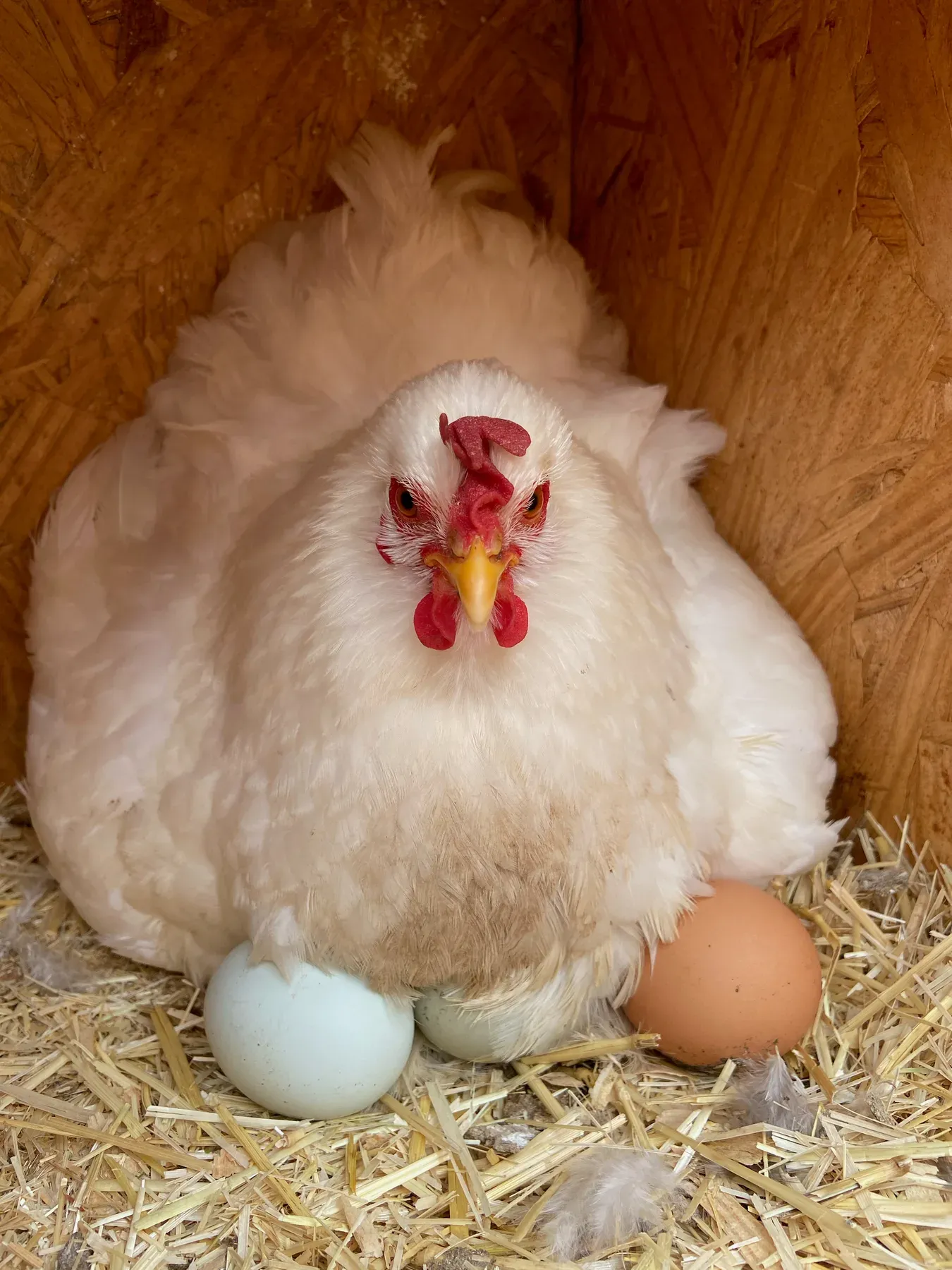
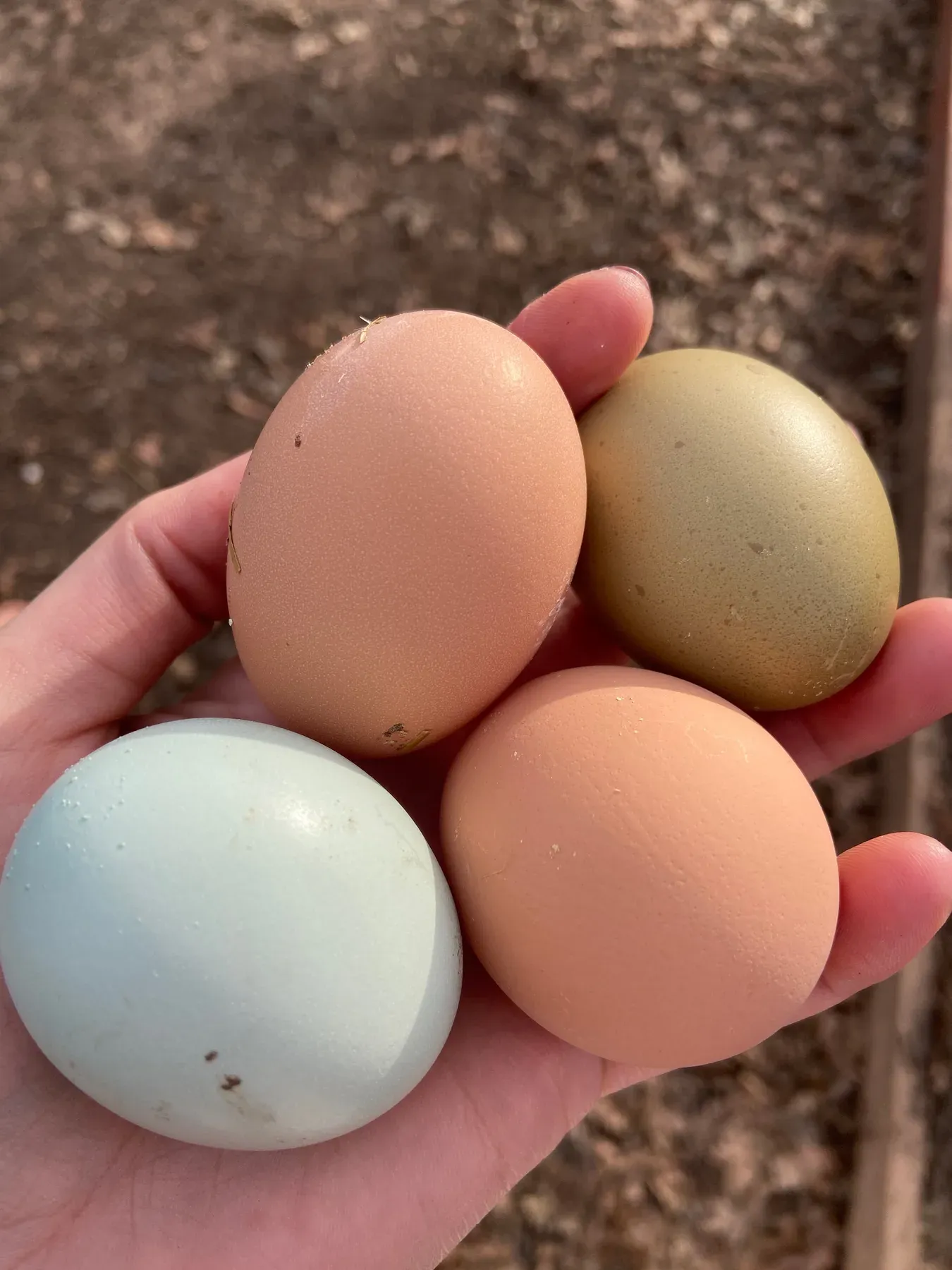
A beautiful egg rainbow from the Dragon’s Hearth Farm Chickens!
Keeping backyard chickens or choosing to raise chickens isn’t just about having feathered companions; it’s a decision that brings many benefits to your home and garden. Here’s why you might want to consider adding your own chickens to your backyard.
Fresh and Nutritious Eggs Daily
Imagine starting your morning with fresh eggs that you know came from healthy, happy, well-taken-care-of hens! Backyard egg-laying chickens provide delicious eggs packed with nutrients like protein, vitamins, and healthy fats daily. Once you’ve tasted the difference, you’ll never want to settle for store-bought eggs again. This is the dream realized when you have your own chickens.
Also, many of us felt the panic when store bought eggs were unavailable a few years ago and with the continuation of US food system insecurity and rising food costs. When you raise backyard chickens, you know you will have eggs for your family instead of hoping the grocery store has them or if the price has sky rocketed.
Natural Pest Control and Garden Fertilization
Chickens are nature’s little garden helpers. They love to scratch and peck, which helps control pests like beetles, slugs, and even ticks in your yard. Their droppings make an excellent fertilizer, enriching your soil with nutrients and boosting plant growth. It’s like having your own eco-friendly pest control and fertilizer team on standby.
Our family uses our large flock as a key part of our permaculture system, adding helpful manure to the gardens and removing harmful pests from the plants. We fee
Educational Opportunities for Children
Introducing children to keeping livestock through raising backyard chickens is like opening a door to a hands-on learning experience. They’ll learn about responsibility, where food comes from, and the natural life cycle—all while bonding with feathered friends. From collecting eggs to observing chicks hatch, every day is a new adventure in learning.
Sustainable and Environmentally Friendly Practices
By keeping backyard chickens, you’re embracing sustainability in a meaningful way. You reduce your carbon footprint by sourcing eggs locally, eliminating food waste by feeding chickens kitchen scraps and contributing to a more sustainable food system. Plus, chickens thrive on kitchen and garden scraps, turning what would be waste into valuable resources.
Embracing the benefits of backyard chickens isn’t just about what they can do for you; it’s about fostering a deeper connection to your food, environment, and community. Whether you’re a seasoned farmer or new to the poultry world, chickens bring joy, productivity, and a sense of fulfillment to any backyard
Getting Started with Backyard Chickens
Getting started with backyard chickens requires careful planning and preparation to ensure the well-being of your feathered friends and compliance with local regulations. Here’s what you need to consider:
Local Regulations and Zoning Laws
Before bringing home your first chickens or chicks, it’s essential to familiarize yourself with your local ordinances and zoning laws that govern chicken-keeping:
-
Checking Local Ordinances: Research and understand specific regulations for keeping chickens in your area. These may include limits on the number of chickens allowed, rooster restrictions, and coop placement rules. For example, we can keep roosters in our current city, but if you were to live a few blocks away from me in the next town, you would not be permitted to keep roosters.
-
Understanding Zoning Restrictions: Zoning laws can dictate where to place your chicken coop and the distance from property lines or neighboring homes. Ensure compliance to avoid potential fines or issues with neighbors.
Choosing the Right Chicken Breeds
Selecting the right chicken breeds sets the foundation for successfully raising backyard chickens. Before you buy chicks, you will want to research the different breeds of chickens and their pros and cons. Buying chicks responsibly also means making you have the infrastructure for your flock before purchasing them. Baby chicks are SUPER adorable, and they deserve responsible owners.
I wrote a blog post on the best backyard chicken breeds here! Here’s an overview of beginner-friendly chicken breeds and factors to consider:
-
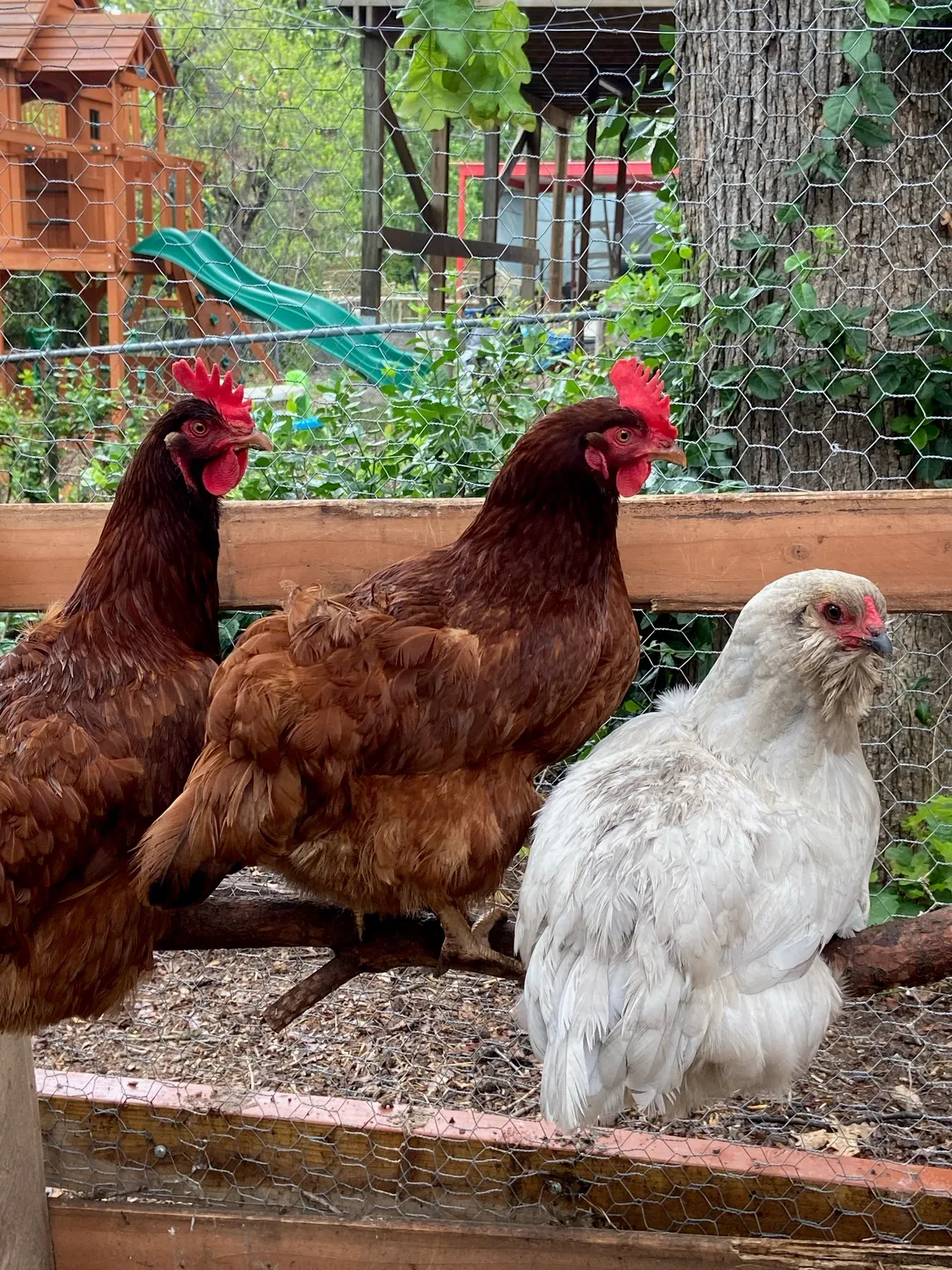
Overview of Beginner-Friendly Chicken Breeds: Popular choices for beginners include Rhode Island Reds, Plymouth Rocks, and Australorps. These breeds are known for their hardiness, docile temperament, and reliable egg production. I think this is a common misconception because I personally do not care for Rhode Island Reds after having them for years. They are not very friendly hens and when it comes to the pecking order, they are always bossing the other hens around.
-
Factors to Consider:
-
Egg Production: Consider how many eggs you expect your chickens to lay weekly and choose breeds known for consistent egg production before buying baby chicks or full-grown chickens.
-
Temperament: Look for calm and friendly breeds, especially if you have children or pets.
-
Cold/Hot Weather Tolerance: Choose breeds suited to your local climate to ensure their comfort and health year-round. If you look closely at full-grown chickens, you can see that some breeds have features that work great for cold climates, like short combs. While other breeds are built more for thriving in hot environments.
-

building a chicken coop for our backyard chickens
Coop and Run Requirements
Creating a safe and comfortable habitat for your new chickens is crucial. Here’s what you need to know about chicken coops and run requirements:
-
Designing or Purchasing Suitable Chicken Coops: Design or purchase a coop that provides adequate space for your chosen number of chickens. Sometimes, the more space they have, the happier they are. Unhappy chickens will not lay eggs. Especially if you can add more space to their outdoor pen. Ensure it has good ventilation, nest boxes for egg-laying, and easy access for cleaning.
-
Space Requirements per Chicken and Coop Layout Considerations: Plan for at least 2-4 square feet of indoor space per chicken, with additional space in the outdoor run. The size of your chicken coop and chicken run determines how many chickens you can have. Consider the layout to include perches, roosts, nest boxes, and areas for dust bathing or a dust bath so your chickens can take daily dust baths.
Chickens love dust baths, and it is adorable to watch them all get one together in a sunny spot! For added benefits, you can add Diatomaceous earth to your chicken’s dust bath!
-
Importance of Predator-Proofing the Coop and Run: Predators like raccoons, foxes, and even neighborhood dogs pose a threat to chickens. Use sturdy materials, secure latches, and bury wire mesh around the coop perimeter to prevent digging. You need to try your best to set your coop up like Fort Knox because your chickens depend on you to keep them safe.
If you plan to free-range your chickens, you will need to be creative about protecting them from predators or expect to lose a few to natural selection. Raising chickens free range can be a bit of a gamble when it comes to keeping chickens safe, but some people feel strongly about chickens being able to wander unhindered. However, keeping chickens in a free-range style may be hard to do in suburban settings because they can hop and fly over fences.
Addressing these essential considerations will set the stage for a successful and enjoyable experience with backyard chickens, ensuring legal compliance and optimal conditions for your backyard chickens. In order to responsibly go about raising backyard chickens, be sure about how many chickens you can keep before purchasing new hens.
How can raising chickens be helpful in a permaculture-centered farm system?
Raising backyard chickens plays a valuable role in a permaculture-centered farm system by contributing in several beneficial ways:
-
Natural Pest Control: Chickens are excellent foragers and help control pests such as insects, grubs, and even small rodents. They scratch the soil, eating pests and reducing the need for chemical pesticides.
-
Fertilization: Chickens provide natural fertilizer in the form of their droppings, which are high in nitrogen and other nutrients essential for plant growth. Their scratching behavior also helps mix organic matter into the soil, improving its structure and fertility.
-
Composting: Chicken manure is an excellent addition to compost piles. It speeds up decomposition and adds valuable nutrients to the compost, which can then be used to enrich garden beds and orchards.
-
Weed Control: Raising backyard chickens can help manage weeds by eating weed seeds and preventing them from germinating. Their scratching also disturbs weed roots and helps keep vegetation under control. Keep this in mind when planning where and how you will keep your own flock because they can and will rip up your garden beds. For example, free-range chickens versus keeping them in a coop and chicken run.
-
Egg Production: Chickens provide a sustainable source of nutritious fresh eggs, which can be a valuable addition to a diverse permaculture diet.
-
Integration with Plantings: Chickens can be integrated into orchards and food forests, where they help maintain soil health and fertility while benefiting from the shade and shelter provided by fruit trees and other perennial plants. Chickens love to roost in trees or on tree branches that have been incorporated into their coops.
-
Rotational Grazing: Incorporating chickens into rotational grazing systems allows them to graze on cover crops or fallow areas, helping to manage vegetation growth and improve soil health over time.
-
Seed Dispersal: Chickens can unintentionally aid in seed dispersal by consuming fruits and plants and then spreading seeds through their droppings, contributing to natural regeneration in the ecosystem.
Chickens are valuable partners in a permaculture system. They contribute to sustainability, soil health, and overall ecosystem balance while providing practical benefits such as eggs and natural pest control. Raising backyard chickens and integrating them thoughtfully into farm practices enhances the resilience and productivity of the land in harmony with permaculture principles.
Caring for Backyard Chickens
Proper care and nutrition are essential for keeping your backyard flocks healthy and productive. The better care you provide your chickens, the better they will care for you in return. You might even end up with extra eggs!
I encourage everyone to learn as much as they can about chicken care before purchasing chicks.
Here’s how to ensure your feathered friends thrive:
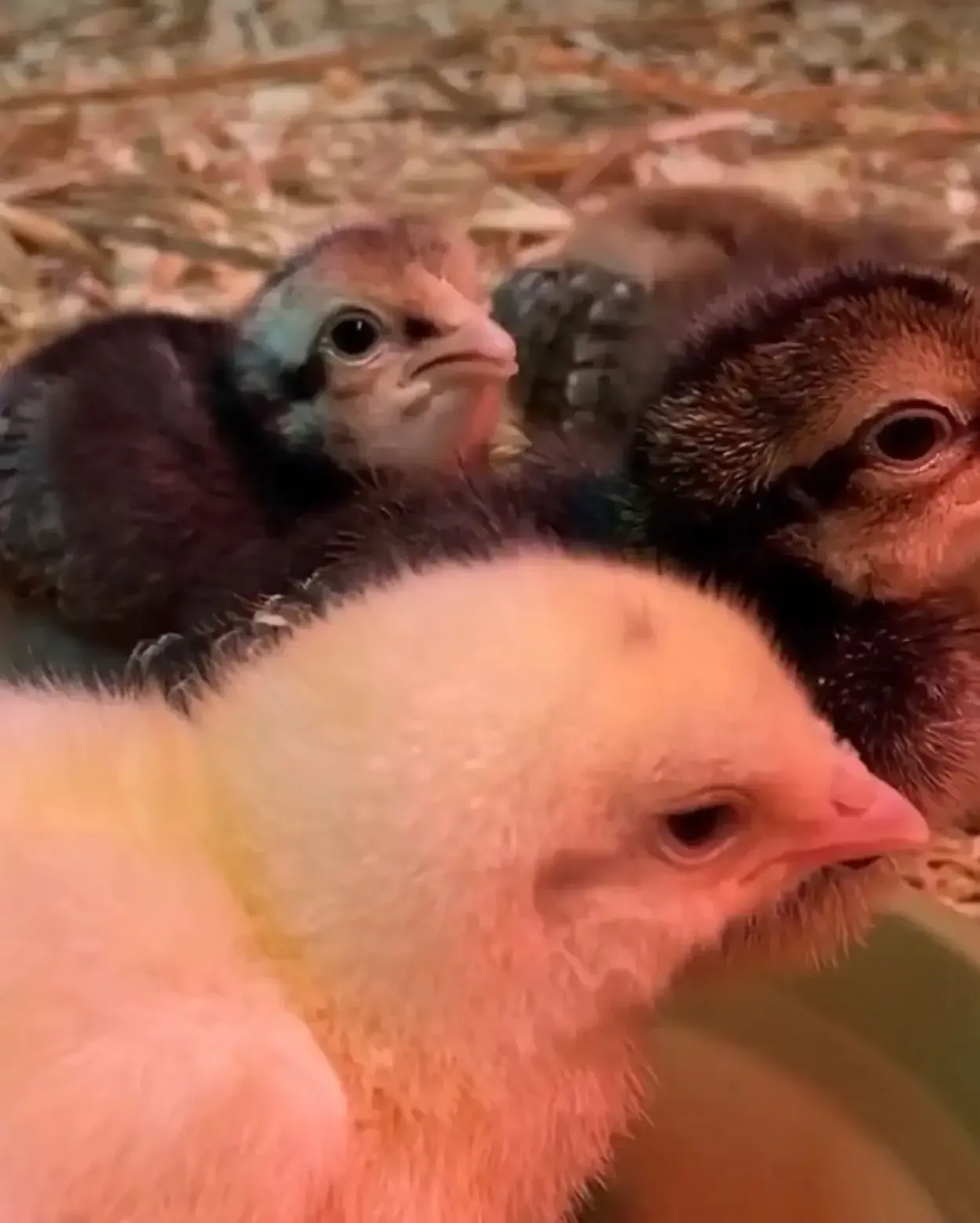
Feeding and Nutrition
Chickens require a balanced diet of healthy chicken feed, fresh grazing, and bugs to support their overall health and egg production. Here’s how to meet their nutritional needs:
-
Providing a Balanced Diet: Offer a combination of commercial chicken feed, kitchen scraps, and fresh greens. A good quality layer feed (16-18% protein) provides essential nutrients, vitamins, and minerals needed for egg-laying hens. Supplement their diet with kitchen scraps like vegetable peels, fruit cores, and leftover grains, but avoid feeding them citrus fruits, avocados, or foods high in salt or sugar.
-
Offering Calcium Supplements: Calcium is crucial for eggshell formation in laying hens. you can provide your chickens with a calcium supplement in the form of crushed oyster shells or egg shells, which they can peck at freely. A lot of chicken feed will come with oyster shell supplemented ready too! Oyster shell and egg shells can help maintain strong eggshells and prevents calcium deficiencies. It may also help you get more eggs from your flock.
It is also important to maintain a consistent feeding schedule and ensure access to clean, fresh water at all times. Keep your chickens waterer out of direct sunlight so they have cool water instead of hot water.
Monitor your chickens’ health and adjust their diet as needed, especially during molting or periods of increased egg production.
By providing a balanced and varied diet, you’ll support the health and productivity of your backyard chickens, ensuring they lay nutritious eggs and remain active and content in their coop.
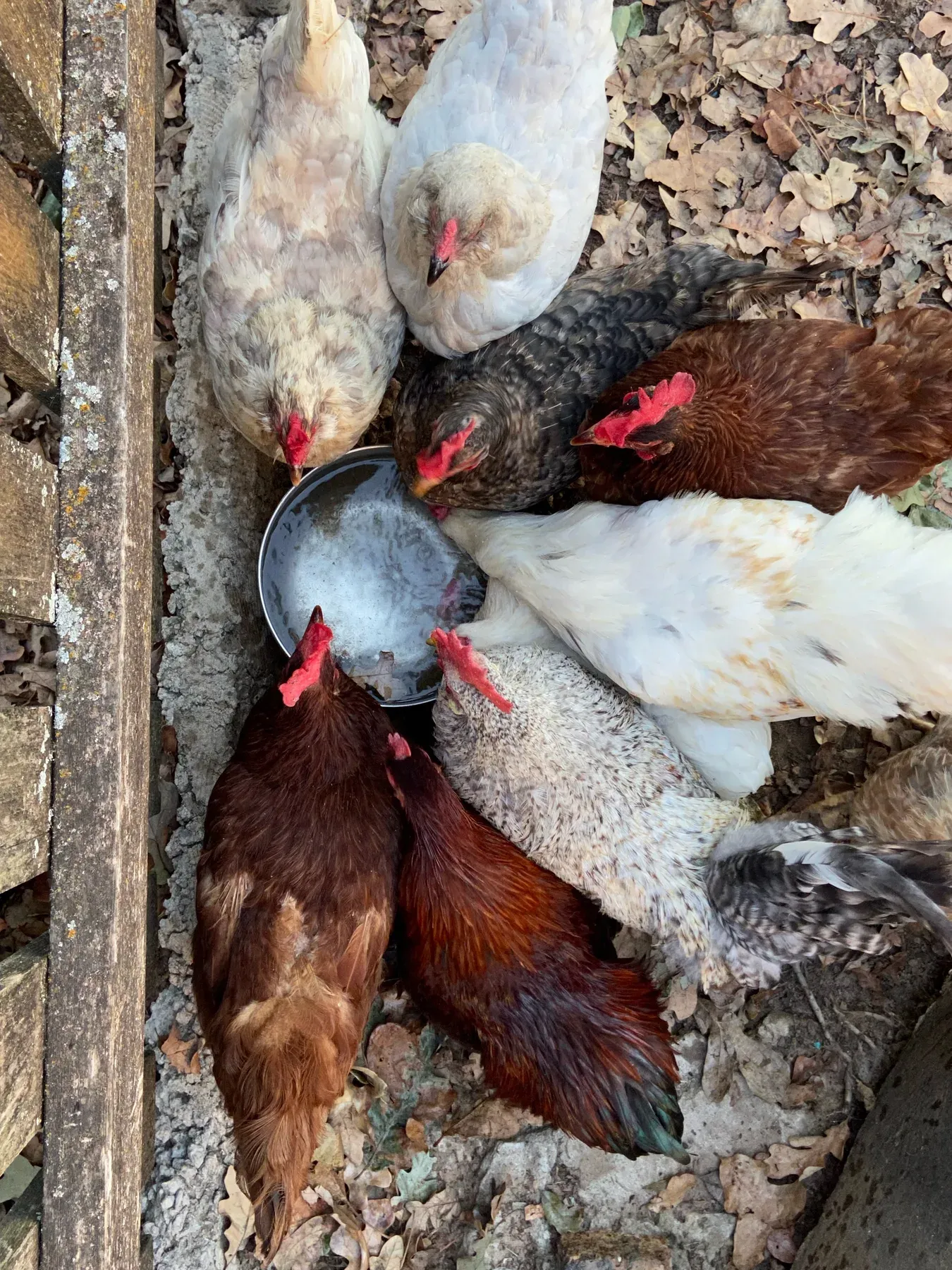
Some of the Dragon’s Hearth Farm flock drinking from the dog’s water bowl.
Health and Wellness
Ensuring the health and wellness of your backyard flock is crucial for their longevity and productivity. Here is how to keep your flock in good health:
-
Regularly Checking Chickens for Signs of Illness: Conduct routine health checks to monitor your chickens’ overall well-being. You will need to check more frequently for young chicks and baby chicks. Look for signs of illness such as lethargy, loss of appetite, abnormal droppings, or changes in behavior. Early detection and prompt treatment can help prevent the spread of disease.
I also suggest taking a few minutes a day at least to watch your flock’s pecking order to make sure hens are not bullying each other. Chickens can be brutal to one another, and if you are not proactive, they can seriously harm each other or even kill one another. This is why adding new chickens to an established flock takes patience and strategy!
-
Common Health Issues and Preventative Care:
-
Marek’s disease: This is a highly contagious viral disease that affects chickens, caused by the Marek’s disease virus (MDV), which belongs to the herpesvirus family. It primarily affects young chickens, typically between 6 weeks and 6 months of age, although older birds can also be affected. Marek’s disease is characterized by tumors that develop in various organs, especially the nerves, skin, and internal organs such as the liver, spleen, and kidneys.
The virus spreads through inhalation or ingestion of viral particles shed by infected birds. It can also be transmitted through contaminated dust, feathers, or dander.
This awful disease is primarily prevented through vaccination, usually administered to chicks shortly after hatching. Vaccination helps reduce the severity of the disease and the spread of the virus within flocks.
-
Parasites: External parasites like mites and lice can affect chickens, causing irritation and potential health issues. Inspect chickens regularly for signs of parasites, such as feather loss or skin irritation. Use appropriate treatments and maintain a clean coop environment to prevent infestations.
-
Respiratory Infections: Chickens are susceptible to respiratory infections, especially in poorly ventilated coops or during cold, damp weather. Watch for symptoms like coughing, sneezing, or nasal discharge. To reduce the risk of respiratory illnesses, improve ventilation in the coop, avoid overcrowding, and provide a clean and dry environment.
-
Other Common Issues: Monitor for other common issues such as bumblefoot (foot infections), egg binding (difficulty laying eggs), and nutritional deficiencies. Provide proper roosts and perches to prevent foot injuries, ensure nesting boxes are clean and comfortable, and maintain a balanced diet to avoid health complications.
-
A proactive approach to health and wellness, including regular observation and preventive measures, will help keep your backyard chickens healthy and thriving. Consult with a veterinarian specializing in poultry if you notice any concerning symptoms or issues that require professional attention.
-
Daily Maintenance
Taking care of your chicken coop and surroundings daily is essential for maintaining a healthy and comfortable environment for your flock. Here are the key aspects of daily maintenance:
-
Cleaning the Coop and Nesting Boxes: Regularly clean the coop and nesting boxes to remove droppings, feathers, and any leftover food. Use a shovel or rake to scoop out soiled bedding and replace it with fresh bedding material such as straw or pine shavings. Cleaning should be done at least once a week, more frequently if you have a larger flock or notice a buildup of waste.
-
Maintaining Fresh Bedding and Adequate Ventilation: Ensure the coop has adequate ventilation to prevent the buildup of moisture and ammonia, which can lead to respiratory issues for your chickens. Good airflow helps regulate temperature and keeps the coop dry and comfortable. Replace bedding regularly to keep it clean, dry, and odor-free, especially in nesting boxes where eggs are laid.
-
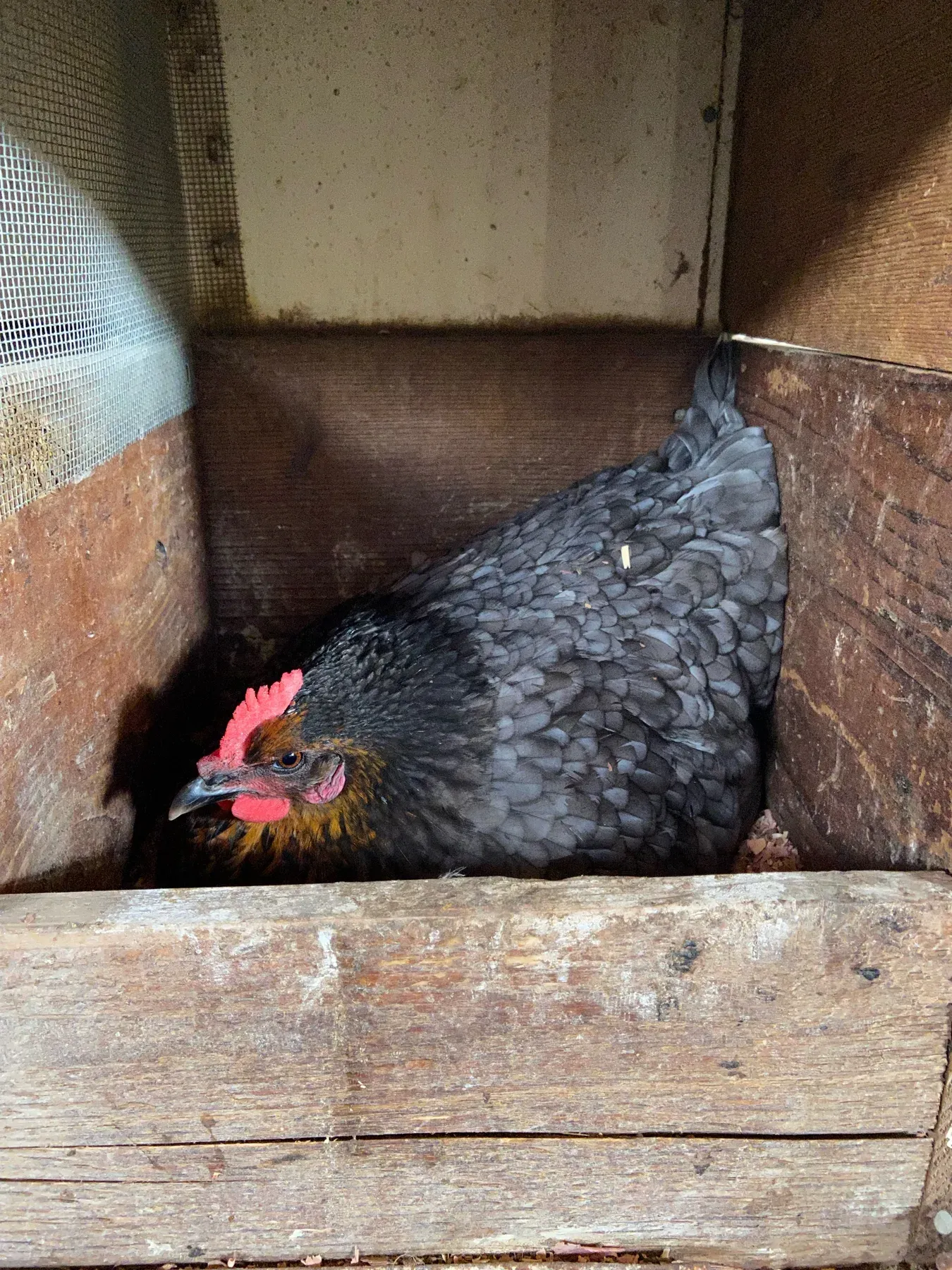
Egg Collection and Storage Tips: Visit your chicken coop daily to collect eggs to prevent them from being pecked or broken by curious egg-laying chickens. Solving egg eating is a pain, so I recommend doing your best to prevent it! Additionally, If you have a rooster in your flock, your eggs will most likely be fertilized eggs, and the longer you leave them in the warm chicken coop, the more they develop. Cracking up a fresh egg for breakfast when it is a somewhat developed fertilized egg isn’t a good time.
Handle eggs gently to avoid cracking the shells. Store eggs in a cool, dry place away from direct sunlight and strong odors. Properly stored eggs can stay fresh for several weeks.
- Incorporating these daily maintenance tasks into your routine will ensure a clean and healthy chicken coop and environment for your backyard chickens. Regular cleaning and upkeep benefit your flock’s health and well-being and contribute to a more enjoyable and productive chicken-keeping experience.
Integrating Chickens into Your Lifestyle
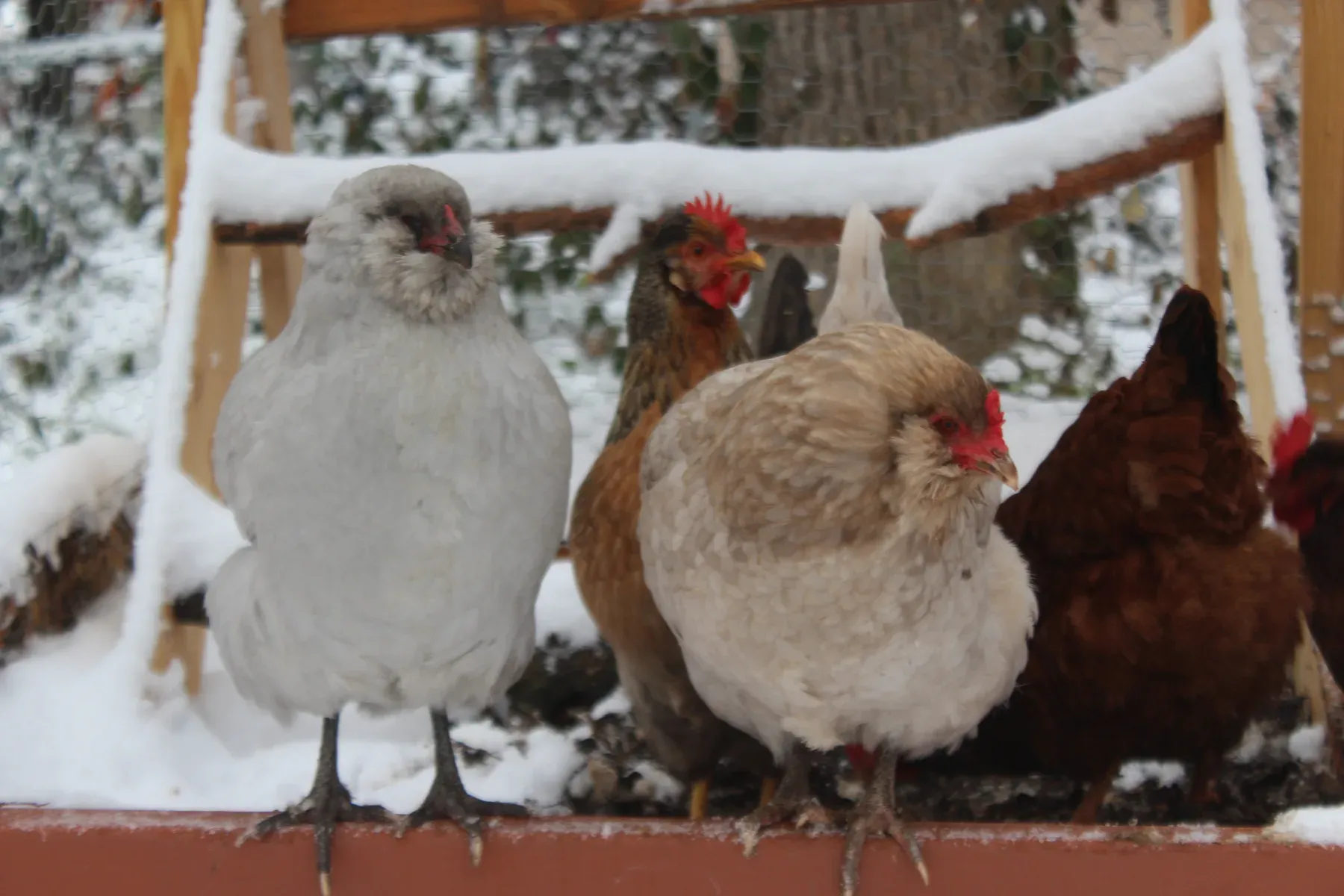
Integrating chickens into your daily life involves establishing routines and fostering positive interactions with your feathered companions. Here’s how to seamlessly incorporate chickens into your lifestyle:
Building a Routine
Creating a consistent routine for chicken care helps maintain their health and happiness. Here are essential daily and weekly tasks:
-
Daily Tasks:
-
Check water and feed levels.
-
Collect eggs from the chicken coop.
-
Inspect chickens for signs of illness or injury.
-
Clean out any soiled bedding or droppings from the chicken coop.
-
-
Weekly Tasks:
-
Clean and refill nesting boxes.
-
Refresh bedding material in the coop.
-
Conduct a thorough inspection of the coop for maintenance needs.
-
Involving Family Members in Caring for the Chickens
Involving family members in caring for the chickens fosters responsibility and strengthens bonds. Assign age-appropriate tasks to children, such as collecting eggs, refilling feeders, or helping with cleaning tasks.
This shared responsibility teaches valuable life skills and creates cherished family memories around caring for animals.
Handling and Socializing Chickens
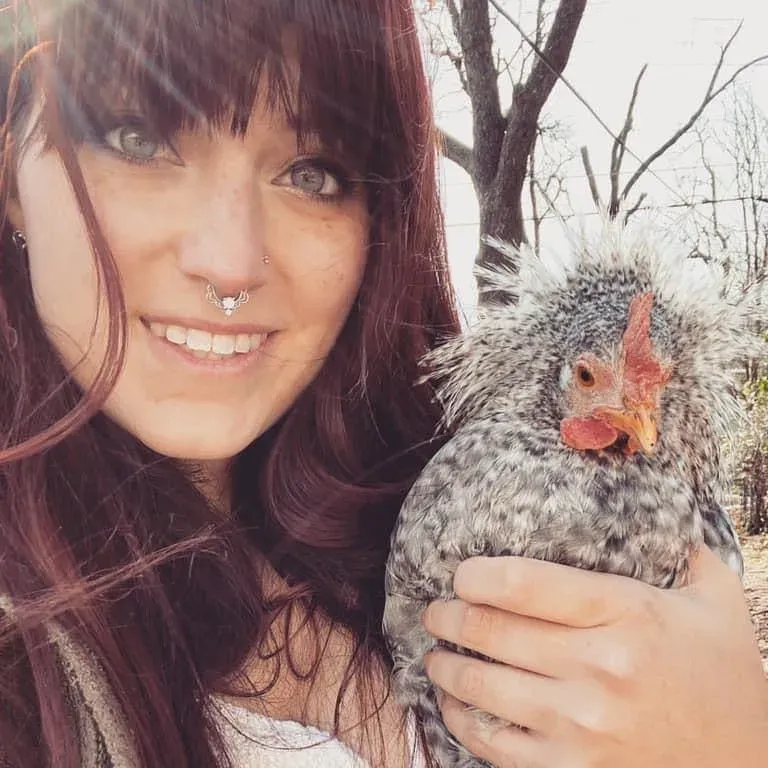
Jenni and her favorite rooster, Noodle.
Developing a bond with your chickens through gentle handling and socialization enhances their trust and comfort around humans:
-
Gentle Handling Techniques: Approach chickens calmly and avoid sudden movements. Gently scoop them up from beneath their bodies, supporting their feet and wings to minimize stress. Spend time sitting quietly with them to acclimate them to human presence.
-
Teaching Children How to Interact Safely with Chickens: Teach children to approach chickens gently and respectfully. Demonstrate proper handling techniques and supervise interactions to ensure safety for both children and chickens. Encourage children to speak softly and move slowly around the chickens to build trust and prevent accidents.
-
Keep your chickens away from wild birds if possible: Prevent your young chicks and grown chickens from developing illnesses or diseases by keeping them away from wild birds if you can. Don’t let your flock share bird feeders or bird waterers with birds.
By integrating chickens into your daily routine and fostering positive interactions, you’ll enjoy the benefits of fresh eggs and natural pest control and cultivate a deeper connection with your backyard flock. Keeping your flock from wild birds and preventing illness will help keep your hens healthy. Engaging family members in caring for chickens promotes teamwork and shared responsibility, making chicken-keeping a rewarding experience for everyone involved.
Troubleshooting and Common Challenges
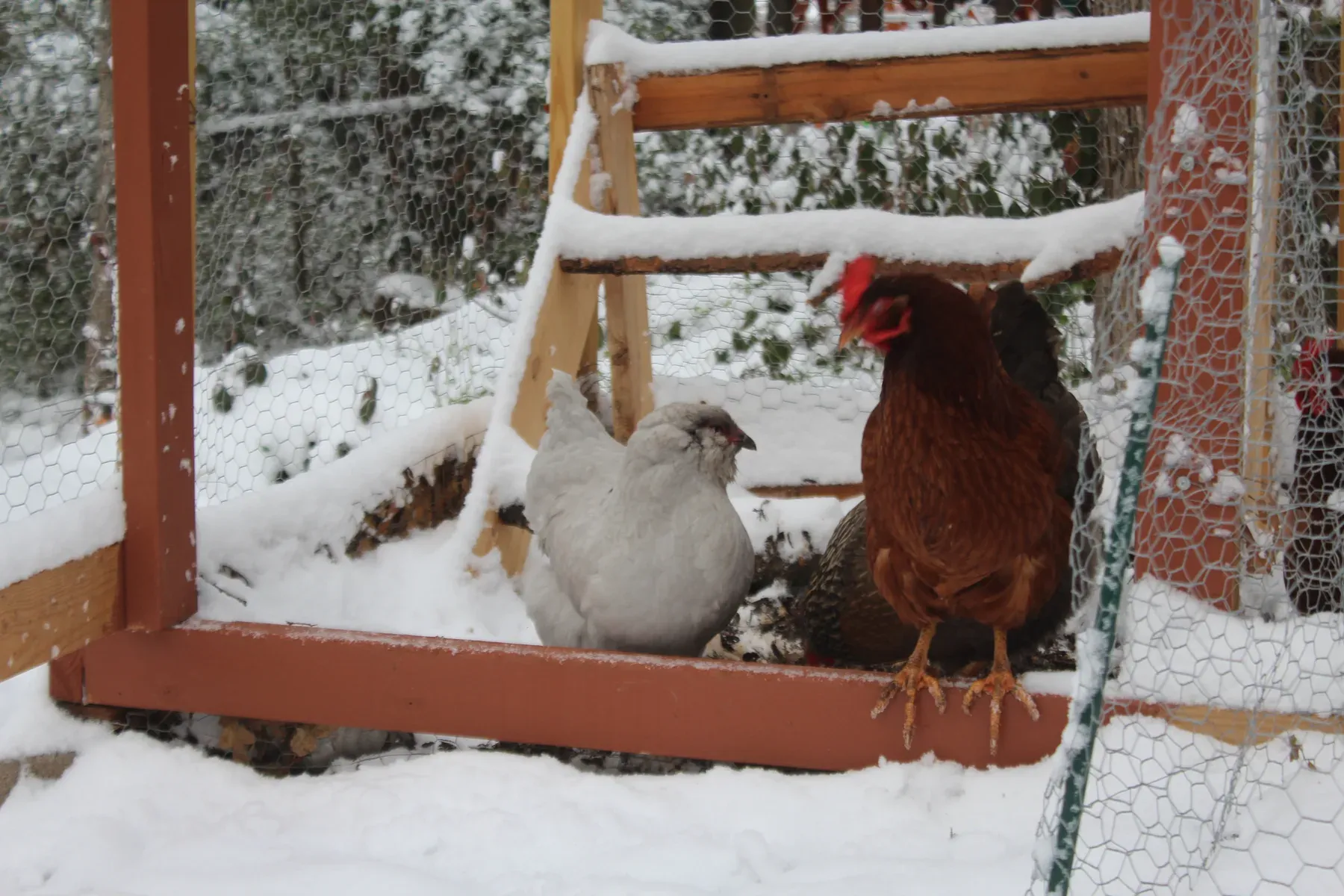
Hens can bring joy and productivity to your backyard, but they also come with challenges that require proactive management. Here’s how to troubleshoot common issues and ensure the safety and well-being of your flock:
Dealing with Noise and Odor
Managing noise levels from hens and roosters and coop odors is essential for maintaining a harmonious environment in your backyard:
-
Mitigating Noise Levels: Chickens, regardless of gender, can be vocal, especially in the morning when hens lay eggs and roosters crow. If noise is a concern, consider placing the coop away from bedrooms or neighbors’ homes. Adding sound-absorbing materials to the coop or providing distractions like hanging treats can also help reduce excessive clucking.
-
Managing Coop Odors: Proper coop maintenance is key to minimizing odors. Regularly clean out soiled bedding, droppings, and old food scraps to prevent ammonia buildup. Use absorbent bedding materials like pine shavings or straw, and ensure adequate ventilation to promote air circulation and reduce moisture levels.
Addressing Predators and Security
Protecting chickens from predators requires diligent planning and robust security measures:
-
Practical Strategies for Predator Protection:
-
Identify Common Predators: Know which predators are prevalent in your area, such as raccoons, foxes, or birds of prey.
-
Secure Coop and Run: Use hardware cloth or welded wire mesh with small openings (1/2 inch or less) to cover windows, vents, and the bottom of the run. Bury the mesh at least 12 inches deep around the perimeter to prevent predators from digging.
-
Locking Mechanisms: Install sturdy locks on coop doors and access points to deter predators from forcing their way in. Consider adding predator-proof latches or padlocks for extra security.
-
Motion-Activated Lights or Alarms: Use motion-activated lights or alarms around the coop to scare away nocturnal predators.
-
Securing the Coop and Run Against Potential Threats
Regularly inspect and maintain coop security to ensure it remains predator-proof. Repair any damage promptly, reinforce weak spots, and monitor for signs of attempted entry or wildlife activity around the coop.
- Addressing noise, odor, and security concerns proactively will create a safer and more enjoyable environment for your backyard chickens. Implementing these strategies helps protect your flock from threats while enhancing your experience as a responsible chicken keeper.
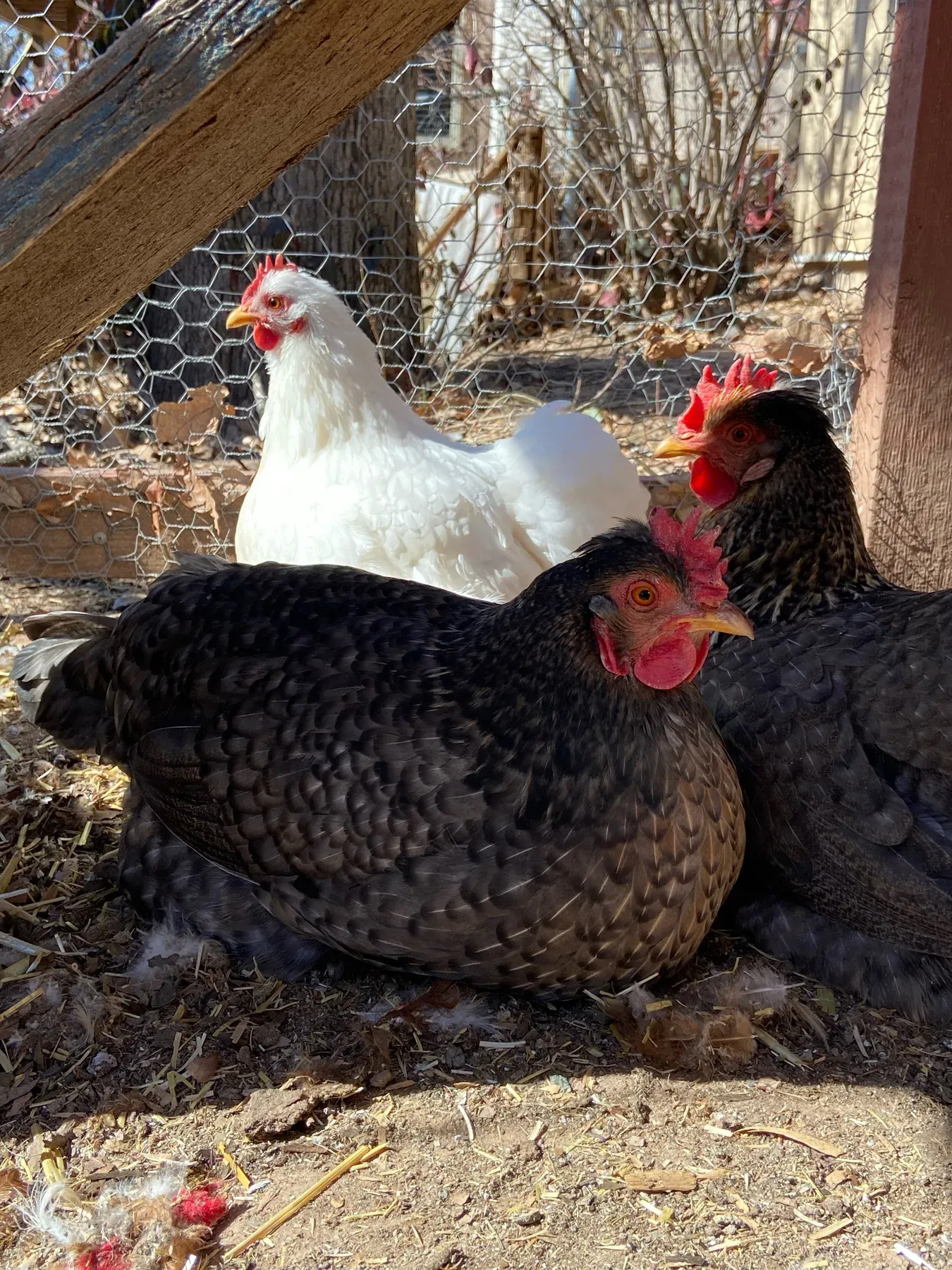
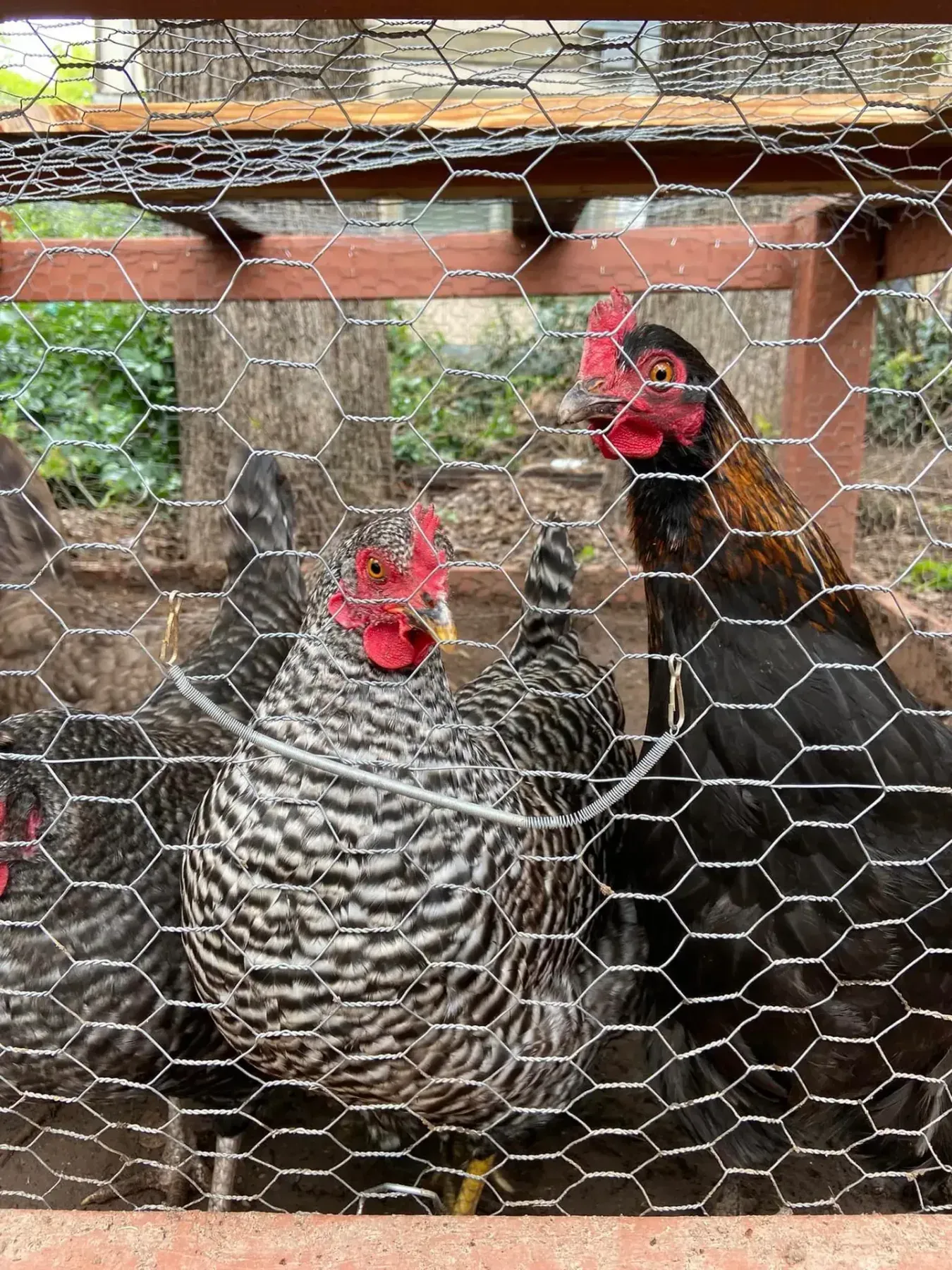
The Dragon’s Hearth flock safe and secure in an outdoor run.
Conclusion
Keeping backyard chickens is not just a hobby; it’s a rewarding lifestyle choice that brings numerous benefits and joys to individuals and families. From fresh eggs daily to natural pest control and the opportunity to teach children about responsibility and nature, chickens enrich our lives in countless ways.
Throughout this guide, we’ve explored the essential aspects of chicken keeping, from getting started with local regulations and choosing the right breeds to daily care routines and troubleshooting common challenges. Here’s a recap of why backyard chickens are worth considering:
-
Joys and Benefits: Enjoy fresh and nutritious eggs daily, enhance your garden with natural fertilization, and embrace sustainable living practices in your backyard. Chickens also provide educational opportunities for children, teaching them about food sources, animal care, and the natural world.
-
Encouragement to Start Your Journey: If you’ve been considering adding chickens to your home, we encourage you to take the leap into chicken keeping. I was so excited to start my own flock! It has been rewarding having chickens, even when they drive me a little crazy with their chicken antics.
-
Whether you have a small urban plot or a spacious rural homestead, chickens can fit into various lifestyles and environments. Their charming personalities and practical contributions to your household will quickly make them like beloved family members.
-
Final Thoughts and Tips: To ensure successful chicken care and enjoyment, remember to:
-
Establish a consistent daily routine for feeding, cleaning, and monitoring your chickens’ health.
-
Involve family members in caring for and interacting with the chickens to foster a sense of responsibility and connection.
-
Address potential challenges such as noise, odor, and predator protection with proactive strategies to maintain a harmonious environment.
-
By welcoming raising chickens, you embark on a journey of discovery, learning, and the simple pleasures of rural living, even in an urban setting. Whether you’re drawn to their practical benefits or their endearing personalities, chickens have a unique way of enriching the fabric of daily life.
Start your chicken-keeping journey today and experience firsthand the joys of fresh eggs, the delight of watching chickens roam your backyard, and the satisfaction of sustainable living practices.
Your backyard flock awaits, ready to bring warmth, charm, and endless rewards to your home. I hope my blog post on keeping backyard chickens was helpful to you! I wish you a happy chicken adventure!
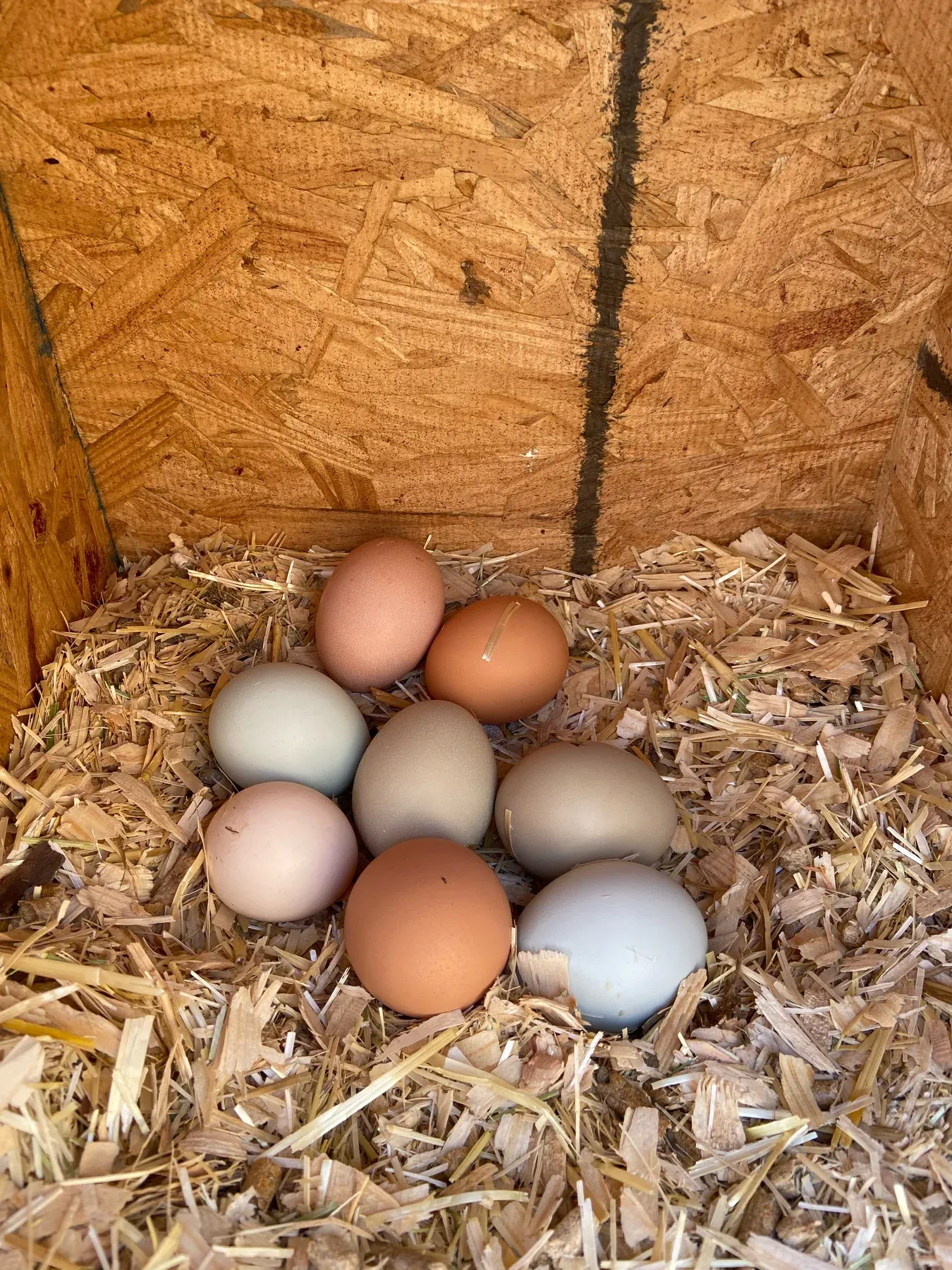
Fresh clean eggs from our variety of different chicken breeds
Oklahoma City Council Approves Urban Chickens And Quail
If you are in Oklahoma City and would like to raise your own backyard chickens, you can after March 4th 2022!
On 02/01/2022, The Oklahoma City Council approved raising chickens and quail in Oklahoma City backyards.
“The ordinance, which takes effect March 4, allows residents to raise up to a total of six chickens or quail in their backyard. Roosters are not allowed.”
Read more about the new chicken rules here.
Ready to start homesteading? Read more of our blogs on homesteading animals and homesteading.
Raising Homestead Animals for Food and Fiber
The Best Homestead Animals for Beginners
The Best Gifts for Homesteaders
What Is Homesteading and How to Start
The Dragon’s Guide to Backyard Chickens
Top 10 Beginner Homestead Mistakes and How to Avoid Them